.svg)

Unlock Your Health Potential with a DEXA Scan, RMR and VO2 MAX
The gold standard
body composition
Unmatched Bone Precision
Total Body Analysis
Upfront Pricing
Low Radiation Exposure
Accurate Fat Mapping
Clinical-Grade Reliability
3D Precisions, 4D Insights,
Healthcare partnerships






Designed Around You,
Down to the Details

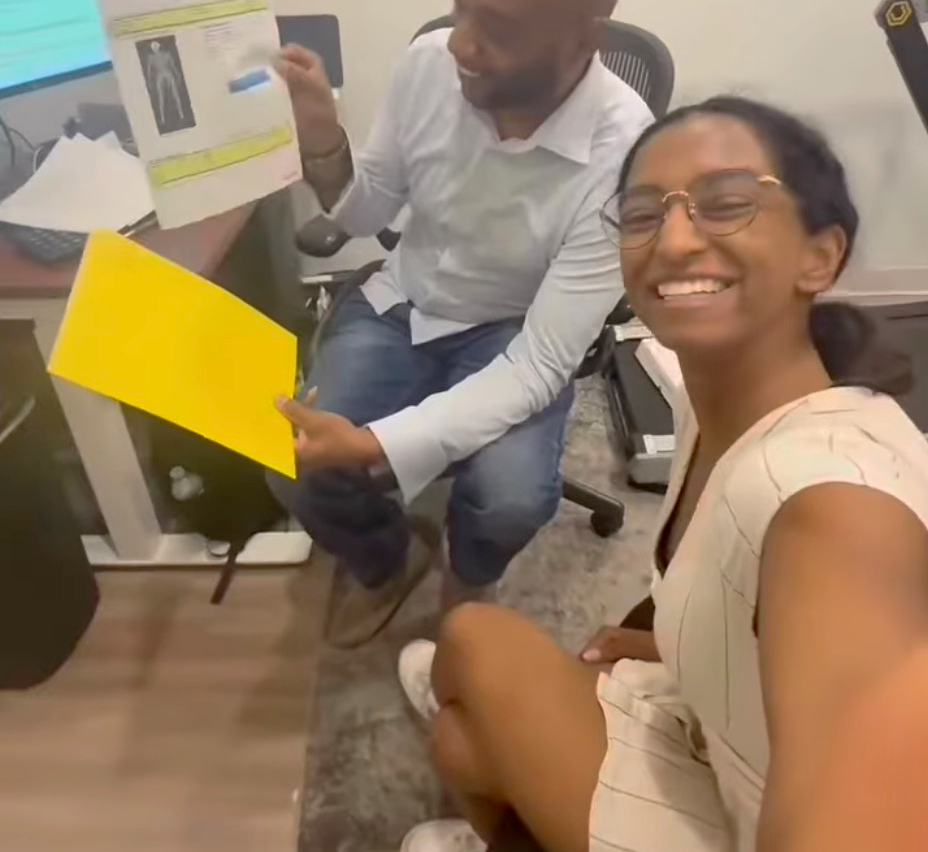
We’re here to all
your questions
A DEXA scan provides a clearer understanding of your body composition and skeletal health.
Get Answers. Not Estimates.
Common alternative methods, such as BMI, Bioimpedance, Bod Pod, and hydrostatic weighing, are often used incorrectly as a surrogate for body composition health. But they can be dangerously misleading.For example, if you have a BMI of 25 kg/m2, you may have a body fat percentage anywhere from 10-35 percent. If you use other alternative methods, you may see a margin of error range from 5 to 15%.
This scan is for anyone who wants to measure and track their body composition. You must be 18+ years of age to purchase.
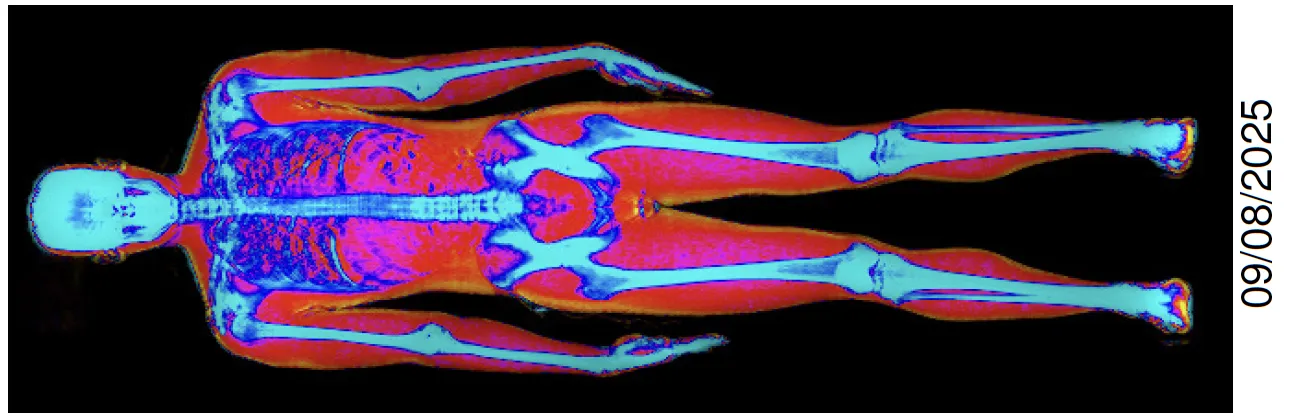
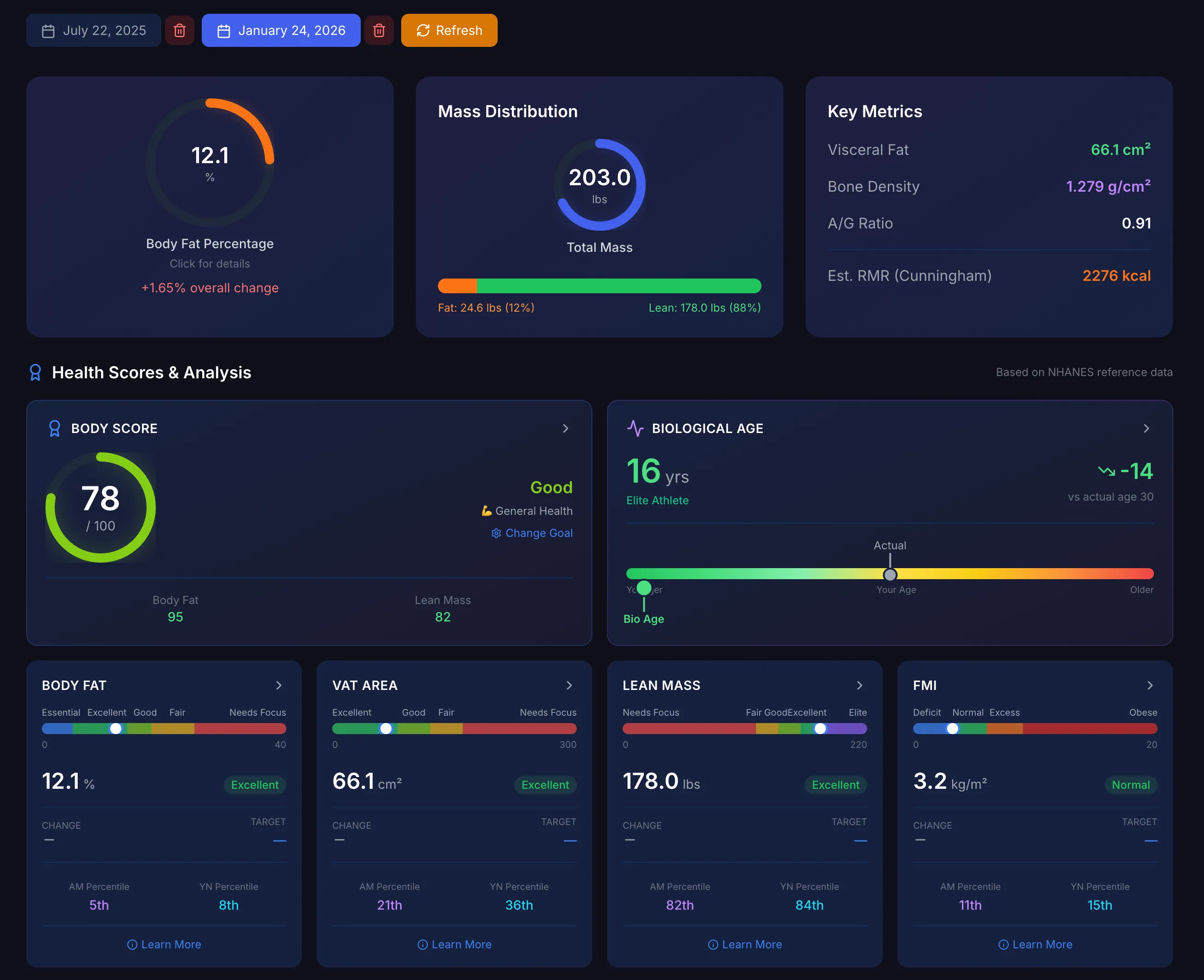
The DEXA Scan uses dual x-ray technology to provide comprehensive, precise measurements of total body fat percentage, along with segmental body fat distribution in regions such as arms, legs, android (waist), gynoid (hips), and visceral fat.**Individual location results may vary.
Before taking this test, we recommend you discuss with your physician first. Fasting for four hours prior to scan is recommended, but not required. Wear comfortable clothes, such as gym attire. Do not wear any items with metal or hard plastic, such as buttons or zippers and inform the technician if you have metal in your body.Ready to speak

DEXA scan: common questions
How much does a DEXA scan cost in NYC?
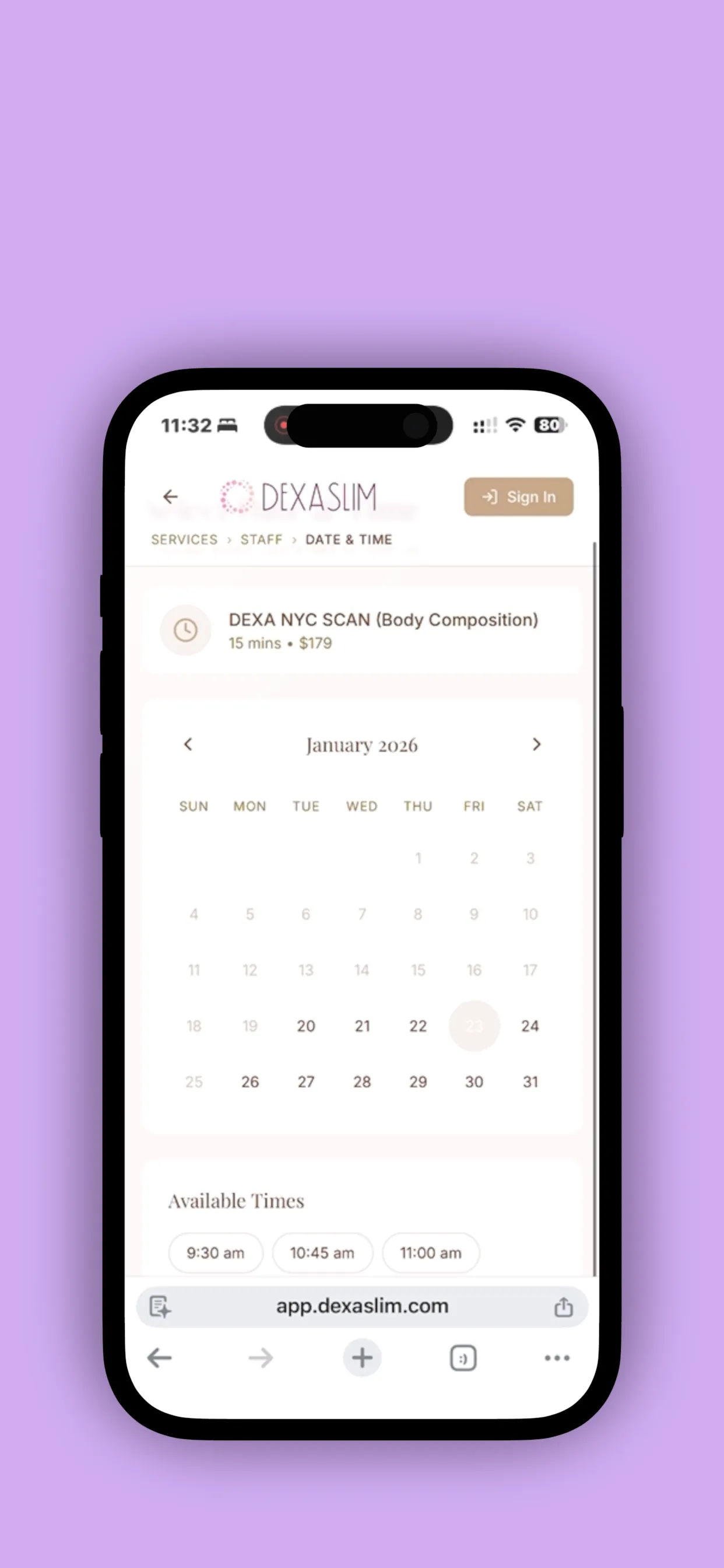
A single DEXA body-composition scan is $179. A 2-scan package is $299 ($149.50 per scan, 16% less than two singles) and a 3-scan package is $399 ($133 per scan, 26% less). Credits never expire. No membership or insurance required.
How long does a DEXA scan take?
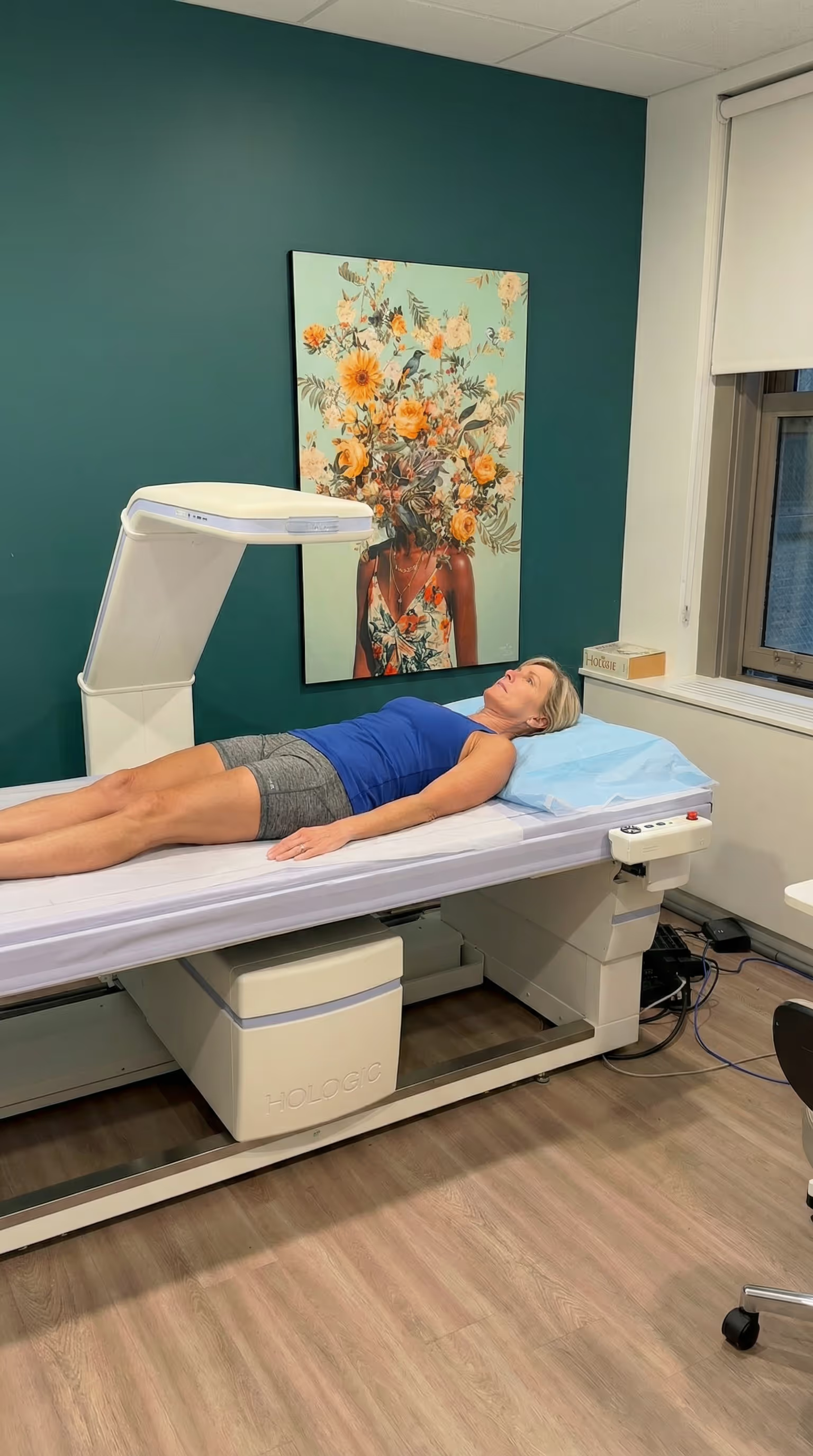
The scan itself is 6–10 minutes. Plan on 20–30 minutes in total for check-in, the scan and a results walkthrough with your technician.
How should I prepare?
Wear comfortable clothing with no metal (zippers, underwire, belts, jewelry). Avoid eating a large meal or exercising hard in the 2–3 hours before. Stay normally hydrated. For repeat scans, try to book at the same time of day under similar conditions.
What does the report show?
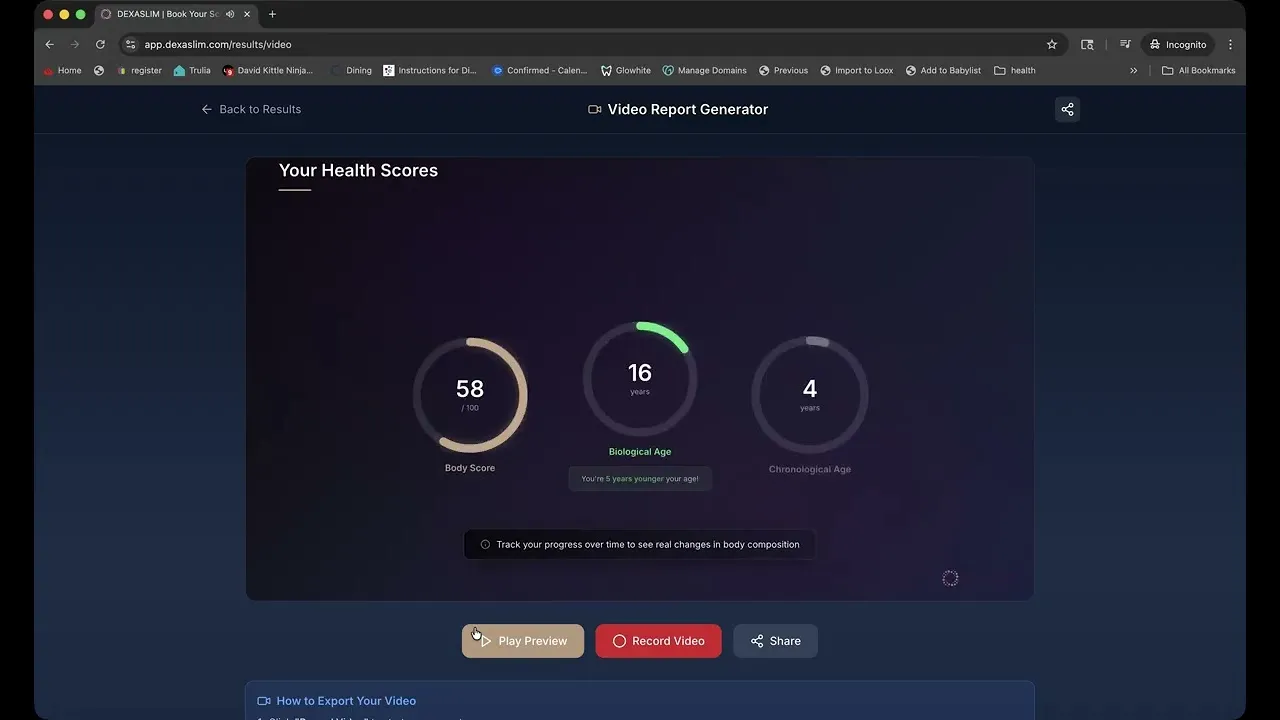
Total and regional body fat percentage, lean mass, visceral (abdominal) fat, bone mineral content, and left/right symmetry. Your report and trend charts are saved in the Dexaslim app.
Is DEXA safe? How much radiation is involved?
A DEXA body-composition scan uses a very low X-ray dose — roughly a fraction of a day's natural background radiation and far less than a chest X-ray. It is not recommended if you are or may be pregnant. Tell us about any recent contrast imaging or nuclear medicine tests, which can affect accuracy.
How is this different from a bone-density scan?
A body-composition scan measures fat, muscle and bone across the whole body. A bone-density scan is a separate protocol that focuses on spine and hip bone mineral density to screen for low bone mass. Neither is a medical diagnosis. See our bone-density page for details.
How often should I re-scan?
Most clients re-scan every 8–12 weeks while actively changing their training, nutrition or medication, then every 3–6 months for maintenance. Consistent conditions between scans give the most reliable comparison.