.svg)
Dexa Scan vs.
bone Density

Precision
Bone analysis
Screens for Low Bone Density
Precise Fracture Prediction
10 Years FRAX® Score
Low Radiation Exposure
Monitors Bone Changes
Guides Treatment Decisions
3D Precisions, 4D Insights,
Healthcare partnerships





Designed Around You,
Down to the Details

We’re here to all
your questions
A DEXA scan provides a clearer understanding of your body composition and skeletal health.
Get Answers. Not Estimates.
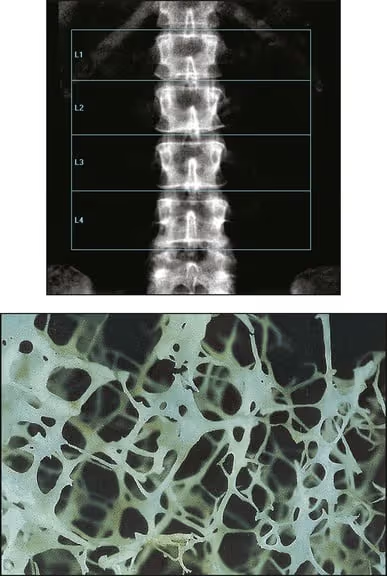
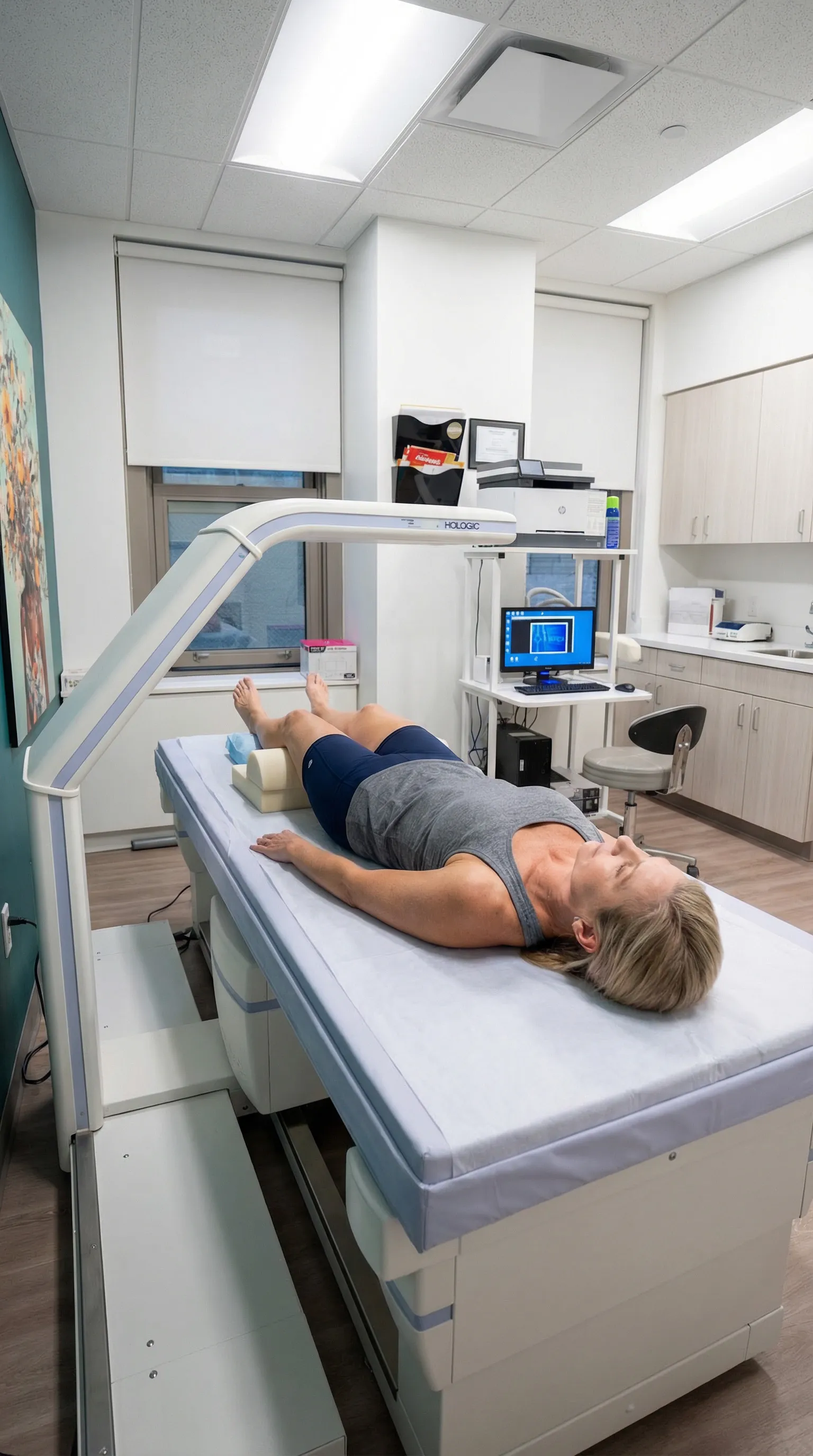
A DEXA (Dual-Energy X-ray Absorptiometry) scan is a quick, non-invasive test that measures your bone mineral density (BMD). It compares your results to a healthy young adult (T-score) and to people your age (Z-score) to indicate whether your bone density is in a normal, low (osteopenia) or very low (osteoporosis) range. A low result is a signal to follow up with a physician, who can confirm a diagnosis and discuss treatment. Dexaslim does not diagnose or treat bone disease.
Yes, it’s extremely safe. The DEXA scan uses very low levels of X-ray radiation — about 1/10th the dose of a standard chest X-ray. It’s completely painless, takes only 10–15 minutes, and you remain fully clothed during the scan. There are no side effects or downtime afterward.
A DEXA scan is recommended for:
- Women over age 50 or postmenopausal women with risk factors.
- Men over age 60
- Anyone with a family history of osteoporosis
- People who have had bone fractures from minor injuries
- Those taking steroids, thyroid medication, or hormone treatments
- Individuals with low body weight, vitamin D deficiency, or lifestyle risks (smoking, alcohol use, inactivity)
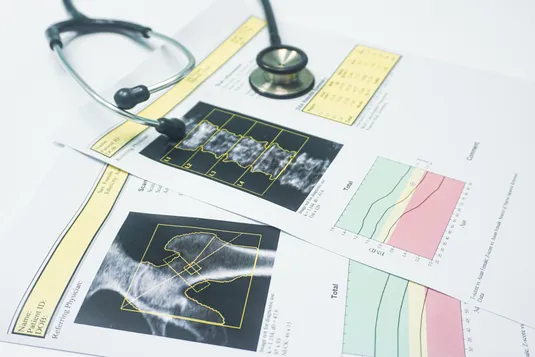
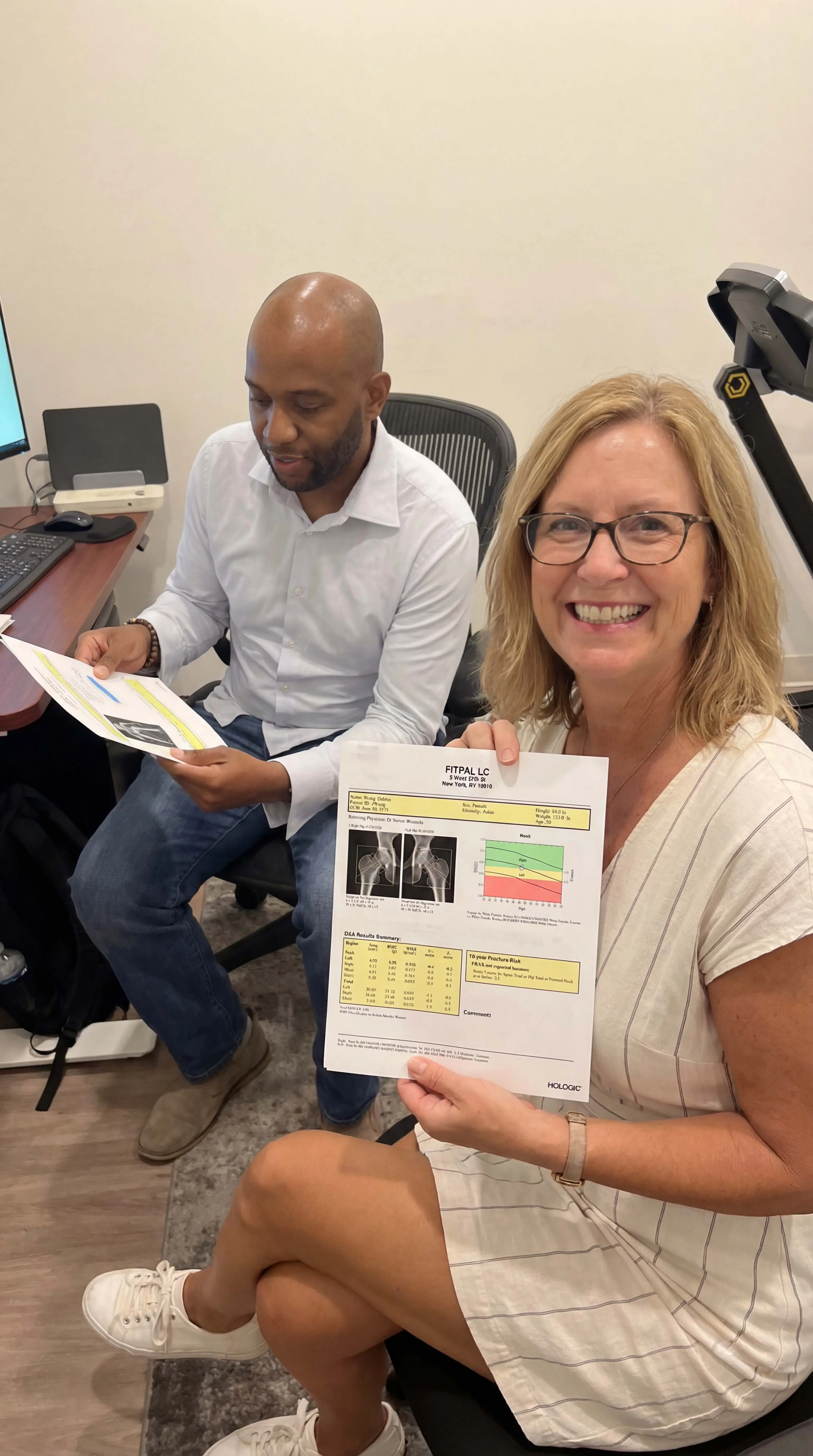
Your DEXA report provides a T-score and Z-score
Dexaslim bone-density scans are a screening service and do not constitute a medical diagnosis. If your results show low bone density, we will recommend you share your report with your physician for clinical evaluation and any treatment decisions. Clinical content on this page is reviewed by Dr. Mavroson, DO.
- T-score compares your bone density to a healthy young adult.
Normal: above –1.0
Osteopenia: –1.0 to –2.5
Osteoporosis: below –2.5 - Z-score compares your bone density to people of your same age, sex, and size.
These results help doctors identify bone loss early and design a plan that may include nutrition, exercise, supplements, or medical treatment to strengthen your bones and prevent fractures.